
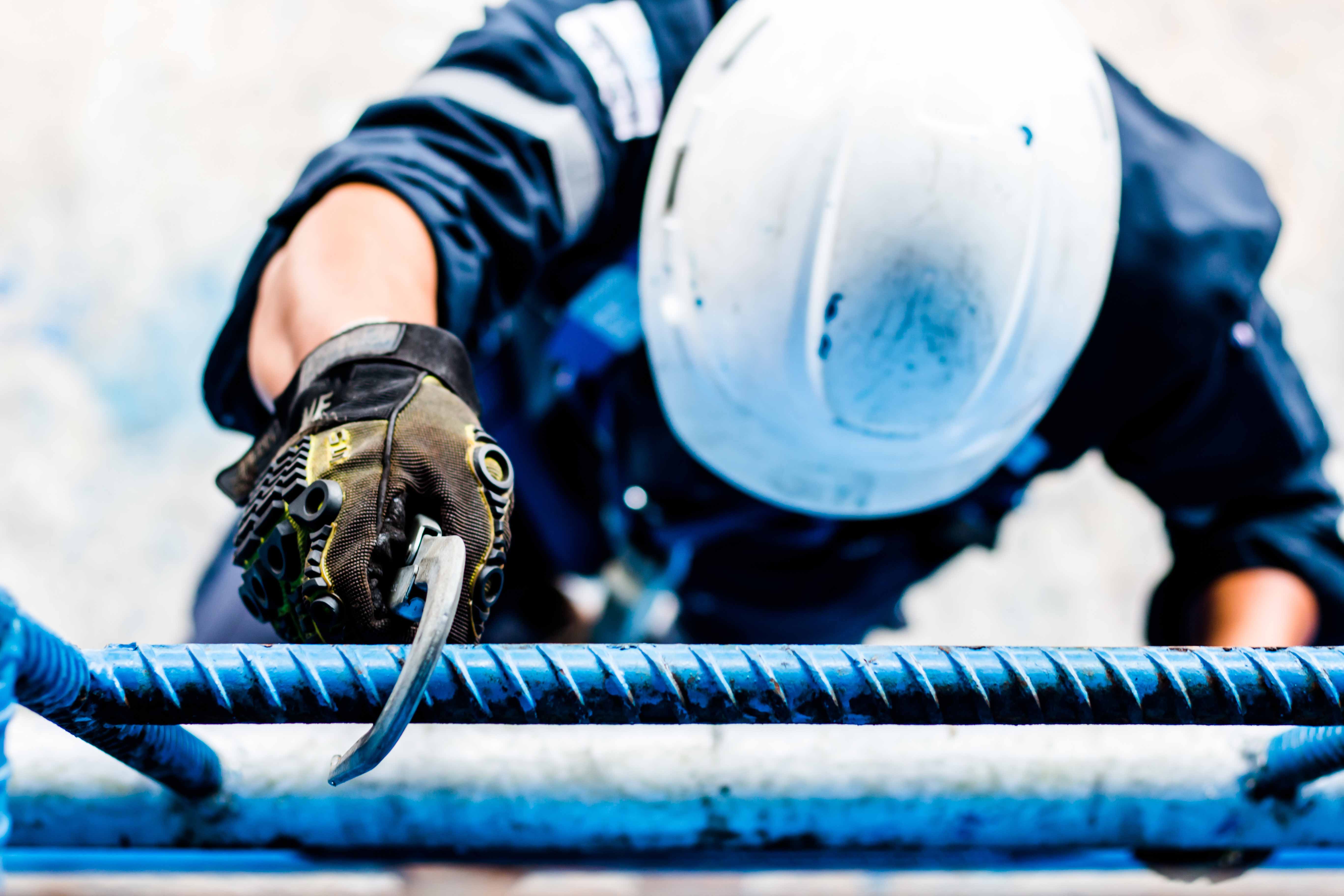
Contractor safety management is of paramount importance in a business environment where inter-company collaboration is commonplace. By ensuring that subcontractors strictly comply with the safety standards set by the client company, you help not only to protect workers but also to preserve the reputation and interests of all parties involved. However, it is crucial to support the importance of these safety practices with real, current data. According to a recent study by the Occupational Safety and Health Organisation, up to 30% of all workplace accidents reported in the industrial sector involve subcontractors. Statistics also show that untrained or poorly supervised subcontractors are three times more likely to be involved in serious workplace incidents. These real figures highlight the urgency of proactive contractor safety management to prevent accidents and protect workers.
Laying solid foundations for safe collaboration
Even before considering any collaboration, the preliminary phase is crucial. When drafting tenders and selecting the provider, the emphasis must be on compliance with safety standards. This initial step is not just an administrative formality; it is the foundation on which the whole future relationship between the client and the subcontractor rests. By ensuring safety standards are met from the start, you lay the groundwork for a solid, lasting and safe collaboration, where trust and transparency come first.
Rigorous planning for optimal safety
In the preparation phase of the work, nothing is left to chance. Carrying out a thorough preliminary site visit and drawing up a detailed prevention plan are essential. These steps make it possible to identify and assess potential risks and put the right safety measures in place to protect workers. By planning rigorously, you make sure every aspect of safety is taken into account and working conditions are optimal, contributing to the success and safety of the work.
Promoting communication and transparency
At the heart of carrying out the work is the need to build a climate of trust that encourages communication. It is crucial to clearly define each party’s responsibilities and specify decision-making mechanisms in case of potential risks. This transparency supports effective collaboration between the client and the subcontractor, reducing incidents and ensuring the safety of workers on site.
Evaluation and continuous improvement
Once the work is complete, it is vital to carry out an overall evaluation of the service provided. By giving contractor companies the opportunity to report the difficulties they encountered, you open the way to identifying gaps and implementing corrective actions. This evaluation and continuous improvement approach ensures that the lessons learned from each job are built in to strengthen safety on future projects.
Training and certification
Training plays a crucial role in improving safety culture, and certification is often an indicator of the expertise acquired in this field. Several recognised certification programmes can be adopted to strengthen subcontractors’ safety skills. For example, OHSAS 18001 certification (to be replaced by ISO 45001) is widely accepted as the international standard for occupational health and safety management systems. Likewise, industry-specific training programmes, such as the NEBOSH certificate for construction, provide specialist skills in risk management and site safety. By including these certification programmes in subcontractor training, companies can make sure workers have the knowledge and skills needed to maintain a safe working environment.
New technologies and safety
New technologies such as the Internet of Things (IoT), artificial intelligence (AI) and mobile apps offer new possibilities to improve safety on site. For example, IoT can be used to monitor working conditions in real time, detect potential hazards and prevent incidents before they happen. Similarly, mobile apps can give easy access to safety protocols, risk information and emergency instructions, so workers have the information they need wherever they are on site. By integrating these technologies into subcontractor safety practices, companies can improve efficiency, compliance and overall site safety.
Towards a shared safety culture
To ensure optimal safety, clients and subcontractors must work together towards a shared safety culture. This approach requires aligning performance indicators to measure safety progress effectively. It is also crucial to include contractors’ safety results in the client’s overall results. In addition, sharing reporting tools and jointly analysing events make it possible to address risks proactively, strengthening safety at every level of the organisation.
Furthermore, demonstrating the return on investment (ROI) of adopting the recommended safety practices is essential to assess the effectiveness of the measures taken and justify safety spending. By analysing the available data, such as the costs of workplace accidents, medical expenses, sick leave and insurance premiums, it is possible to get a concrete estimate of the potential savings achieved through effective safety management. For example, a study by the National Safety Council found that every dollar invested in workplace safety programmes can return up to 6 dollars in savings from avoided accidents, injuries and occupational illnesses. An in-depth analysis of OSHA (Occupational Safety and Health Administration) data in the United States also indicates that companies can save on average 4 to 6 dollars for every dollar invested in worker safety. By highlighting these concrete figures, companies can convincingly demonstrate the tangible financial benefits of their safety efforts, encouraging future investment in proactive workplace risk management.
Case study: no fatalities at the London 2012 Olympic Games?
In total, 46,000 workers took part in building the Olympic facilities, requiring a total of 62 million working hours.
The London 2012 Olympic Games were among the safest in history, with a reported frequency rate of 0.17 per 100,000 person-hours, well below the UK construction industry average of 0.55. Over a four-year period, this huge project was completed without a single fatal accident, a remarkable achievement in Olympic history:
1996 – Barcelona Olympic Games: 1 death
2000 – Sydney Olympic Games: 1 death
2004 – Athens Olympic Games: 14 deaths
2008 – Beijing Olympic Games: 10 deaths
2012 – London Olympic Games: 0 deaths
2016 – Rio Olympic Games: 11 deaths
2020 – Tokyo Olympic Games: 3 deaths*
This success shows the effectiveness of the safety practices put in place and highlights the importance of rigorous safety management on construction sites, even the most complex and largest ones.
In conclusion, the ultimate goal of effective contractor safety management is to create a shared safety culture, where safety is a priority built into every activity and process. By working closely together, clients and subcontractors can ensure a safe and secure working environment for all workers involved in projects. This proactive approach not only prevents accidents and incidents but also promotes a long-term culture of safe and responsible work.
To find out more about how SEMS can help you strengthen the safety of your projects, contact us today!
Dernières actualités


Start the chat
Welcome to SEMS,
Do you have any questions? We’d be delighted to discuss them with you!