
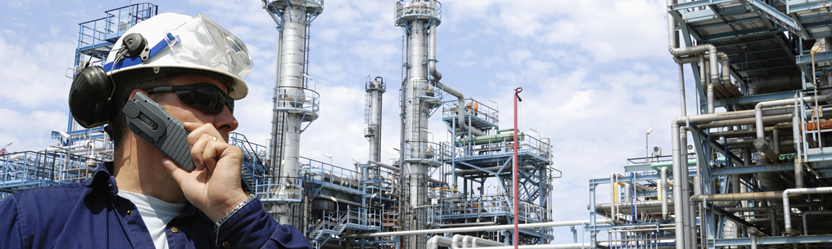
Investing in training is a fundamental pillar to ensure a safe working environment that complies with health and safety standards, while managing subcontracting effectively. In this article, we look at the crucial importance of training in preventing occupational risks, highlighting its central role in promoting workplace safety and maintaining regulatory compliance. We also look closely at how training specifically affects subcontracting management, an area where mastery of skills and practices is essential to minimise risks and maximise performance.
Training and occupational risk prevention
Employee training is of paramount importance in companies’ overall occupational risk prevention strategy. It is the foundation of workers’ ability to identify, assess and mitigate the potential hazards in their workplace, significantly reducing the risk of accidents and injuries.
Workplace safety training programmes generally cover many crucial topics, from the safe use of equipment and knowledge of emergency procedures to the proper handling of chemicals and good ergonomic practices. These programmes aim to give workers the skills they need to respond effectively to dangerous situations and potential incidents.
By investing in quality training, companies show their commitment to the safety and well-being of their employees. It also shows their wish to create a safe working environment that supports productivity and professional fulfilment.
Training and subcontracting management
In subcontracting, training becomes even more crucial. Subcontractors often work on sites where they are not directly supervised by the main company. It is therefore vital to make sure these workers are fully informed and properly trained about the specific risks of their tasks.
Companies must therefore give subcontractors adequate training on health and safety policies and procedures, as well as on the particular requirements of the site where they work. This training can cover various aspects, such as the safe use of equipment, the proper handling of hazardous substances, emergency evacuation protocols and the safety standards of the industry concerned.
By making sure subcontractors are well trained and informed, companies help reduce the risk of accidents and injuries at work, while showing their commitment to the safety and well-being of all workers, whether directly employed or subcontracted.
Benefits of training for subcontracting management
Training subcontractors brings companies several benefits, including:
1. Reduced risks: Adequate training helps reduce the risk of accidents and injuries at work, which can lower the costs of workplace accidents and compensation claims.
2. Improved productivity: Well-trained workers carry out their tasks more efficiently, which can help increase the overall productivity of the project or company.
3. Stronger compliance: By providing training that complies with health and safety regulations, companies can avoid the fines and regulatory penalties associated with non-compliance.
4. Better reputation: Companies that invest in training their subcontractors show their commitment to safety and social responsibility, which can strengthen their reputation with customers, business partners and the community.
Case studies
In exploring the importance of training in occupational risk prevention and subcontracting management, it is essential to look at concrete examples that highlight the positive impact of training on operational results and worker safety.
Case study 1: Fewer accidents in the construction sector
A well-known construction company set up a comprehensive training programme for its workers and the subcontractors working on its sites. By providing in-depth training on safety procedures, equipment use and emergency protocols, the company saw a significant reduction in the number of accidents on its sites. The data showed a 30% drop in the accident rate and a 20% drop in incidents linked to safety violations. This case study clearly shows how investing in training can have a direct impact on worker safety and on reducing occupational risks.
Case study 2: Regulatory compliance in the chemical industry
A company in the chemical sector took a proactive approach to training its subcontractors on safety standards and industry-specific regulatory requirements. Following this specialist training, subcontractors’ regulatory compliance rate rose from 70% to 90%. This significant increase in compliance allowed the company to considerably reduce the risk of regulatory sanctions and the associated fines. These detailed case studies show how effective training is in improving safety and promoting regulatory compliance within companies and their supply chain.
Return on investment (ROI)
In analysing the return on investment of training in occupational risk prevention and subcontracting management, it is crucial to highlight the tangible benefits and savings achieved through effective training programmes.
Investing in training can bring long-term savings and better regulatory compliance. For example, by comparing the initial costs of training with the savings achieved through fewer workplace accidents, less sick leave and fewer regulatory fines, we can tangibly quantify the return on investment of training. Using real examples like those above, we show how companies can benefit financially from their occupational health and safety training efforts.
Finally, training is an essential pillar of occupational risk management and effective subcontractor supervision. By providing complete and suitable training programmes to both employees and subcontractors, companies can create a safe working environment, reducing incidents and accidents. This approach also supports better compliance with health and safety standards, strengthening companies’ reputation and viability.
By investing in training, organisations show their commitment to the safety and well-being of their employees, while improving their operational efficiency and long-term profitability. Training is not limited to risk prevention; it also contributes to a corporate culture focused on social responsibility and operational excellence.
To deepen your understanding of the importance of training in occupational risk and subcontracting management, we encourage you to contact us for more information.
Dernières actualités


Start the chat
Welcome to SEMS,
Do you have any questions? We’d be delighted to discuss them with you!