
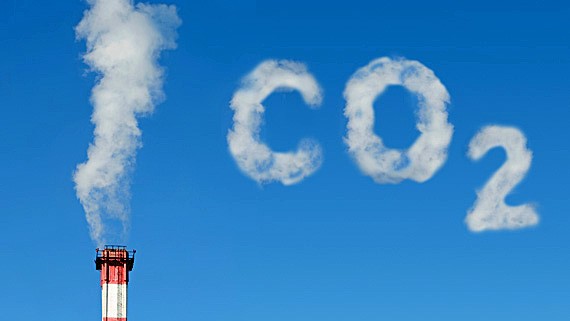
For decades, the challenge of climate change has weighed heavily on the planet, threatening our ecosystems, our economies and our quality of life. Faced with this alarming reality, Morocco is positioning itself as a major player in the transition to a sustainable, environmentally friendly economy. By combining voluntary and regulated initiatives, the Kingdom has stood out in the fight against global warming, setting an inspiring example for Africa and the world.
Background and context
Since the industrial revolution, human activities have considerably increased greenhouse gas (GHG) emissions, mainly carbon dioxide (CO2). These excessive emissions trap heat in the Earth’s atmosphere, causing global warming with potentially catastrophic consequences: rising sea levels, more frequent extreme weather events, and threats to biodiversity, agriculture and water supply. Faced with this unprecedented environmental crisis, the international community has mobilised. The Rio Agreements in 1992 and the Kyoto Protocol in 1997 laid the foundations of a regulatory framework to reduce GHG emissions worldwide. This is how the regulated carbon market between states was born. At the same time, voluntary local initiatives developed, involving companies, administrations and citizens.
Voluntary carbon offsetting in Morocco
Aware of the economic, social and environmental issues linked to climate change, the Mohammed VI Foundation for Environmental Protection decided to act. Under the visionary leadership of Her Royal Highness Princess Lalla Hasnaa, it launched the Voluntary Carbon Offset Programme in 2009, a first in Africa. Its objectives: to help fight local air pollution and global warming, encourage the private sector to reduce its emissions and offset the rest, raise public awareness of the risks of the greenhouse effect, and integrate Morocco into the international effort against climate change. A pioneering initiative that positions the Kingdom as an African leader in environmental action.
How the programme works
The principle of voluntary offsetting is simple but powerful: it allows companies, institutions and individuals to fully or partly neutralise the CO2 emissions from their activities (transport, offices, housing...). By voluntarily funding energy efficiency, renewable energy or carbon sequestration projects, they directly help reduce environmental impact while committing to an eco-responsible approach.
In Morocco, real partnerships are formed through agreements with the Mohammed VI Foundation. Companies commit, for example, to offset the CO2 emissions generated by their employees’ business travel (plane, car). In return, the Foundation carries out concrete sustainable development projects such as installing solar water heaters, distributing energy-efficient ovens in rural areas or reforestation programmes.
The voluntary approach follows three clearly defined steps:
1- Estimating the CO2 emissions from travel
2- Choosing the reduction project and calculating the offset cost
3- Monitoring the project through the Foundation’s reports
A rigorous methodology that guarantees the credibility and traceability of the whole process.
Carbon credits in Morocco
A contribution to the global effort: alongside this pioneering voluntary offsetting programme, the Kingdom takes an active part in the regulated carbon market defined by the Kyoto Protocol. Since 2003, no fewer than 37 "CDM" (Clean Development Mechanism) projects have been registered in Morocco in key sectors such as renewable energy, energy efficiency and waste management. To date, these projects have generated nearly 7 million certified carbon credits, units that can be traded on international carbon markets. A concrete contribution to the global effort to reduce emissions.
Which projects generate carbon credits?
A wide variety of projects contributing to carbon neutrality can generate carbon credits, in many key sectors. They are generally classified into two main categories: avoidance projects and sequestration projects.
Avoidance projects
These projects aim to prevent greenhouse gases from being released into the atmosphere. They include:
- Renewable energy projects such as wind farms and solar power plants.
- Energy efficiency projects aimed at reducing energy consumption (building insulation, more efficient heating/cooling systems, etc.)
- Projects supporting the adoption of lower-carbon industrial processes or products.
To assess the credits generated, it is essential to define the "baseline", i.e. the emissions that would have occurred without the project. The difference with the project’s actual emissions gives the volume of credits that can be attributed.
Sequestration projects
This category covers initiatives that capture and permanently store CO2 from the atmosphere, such as:
- Natural sequestration projects through reforestation or grassland restoration.
- Industrial sequestration projects capturing process emissions before release.
Whether avoidance or sequestration, these certified projects not only help fight climate change but also feed the international and voluntary carbon markets. A virtuous dynamic that Morocco is fully part of.
With these two complementary offsetting and carbon credit systems, the Kingdom affirms its firm commitment to a low-carbon future and to preserving the environment for future generations. An inspiring example for Africa and the world.
Would you like to commit your company or organisation to a sustainable approach to reducing its carbon footprint? Feel free to contact us today for personalised support or for more information on carbon offsetting and carbon credits.
Abdelilah EL ATTARI
Expert in digital transformation and Artificial Intelligence (AI): Procurement digitalisation (S2C, P2P), HRIS, Civic Tech and participatory democracy, Marketing and customer relations
Dernières actualités


Start the chat
Welcome to SEMS,
Do you have any questions? We’d be delighted to discuss them with you!